
 English
 Русский язык

Sales Reach 27 Million Vehicles! Another World Champion for Chinese Automobiles.
In 2025, Chinese automakers achieved total global sales of 27 million vehicles, surpassing competitors who had dominated this ranking for over 20 years. This makes China once again a world champion in automobile sales.
Why “Another” World Champion?
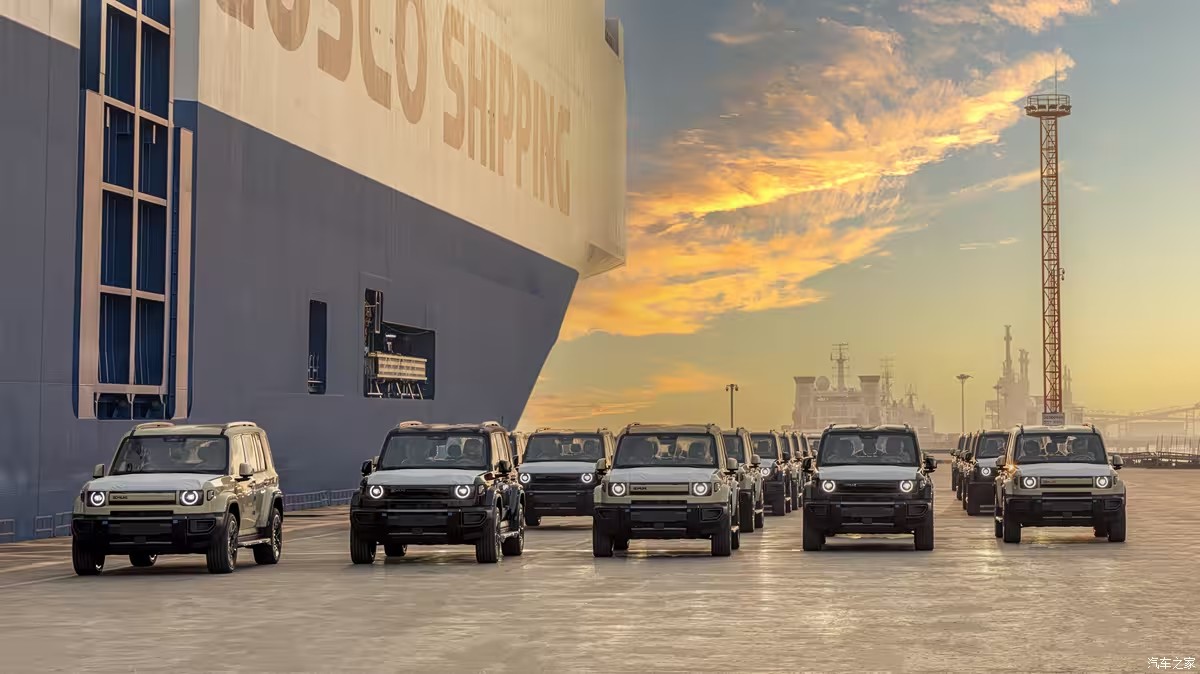
Because in terms of exports alone, Chinese automakers already took the top spot with 8.32 million exported vehicles in 2025 — far ahead of second place Japan with 4.21 million.
2026 Targets for Major Chinese Automakers
Several leading Chinese automakers have released their 2026 overseas sales goals:
- Chery and SAIC Group: Up to 1.5 million vehicles
- BYD: Targeting around 1.3 million vehicles
- Changan: 750 000 vehicles
- Geely: 640 000 vehicles
- Dongfeng & Great Wall: Around 600 000 each
- GAC Group: About 250 000 vehicles
- Leapmotor: Aiming for 100 000–150 000 vehicles despite being a newer brand
These export targets — especially for 2026 — appear well within reach based on 2025 performance.

Growth Across Chinese Automakers
Looking back at 2025:
- Chery’s overseas sales: 1.34 million vehicles (~half of its total sales) — the highest among Chinese brands
- BYD: Increased overseas sales rapidly by about 145% over the previous year
- Other Chinese brands (Changan, Geely, Great Wall, GAC): All posted significant double-digit overseas growth
- Total Chinese auto exports: Increased nearly 29.9% year-over-year
- December 2025 alone: Exports hit 994 000 vehicles, up 73.2% year-over-year.


New Energy Vehicle (NEV) Export Success
NEVs from Chinese brands are making major strides:
- Export NEVs in 2025: 3.43 million units, up about 70% from the previous year
- Europe saw NEV sales grow — for example, in Australia, Chinese plug-in vehicles rose around 130.9%, capturing a significant market share.
- In Europe’s EV passenger car market, China-made brands accounted for a record 19% share in 2025
- Chinese EV makers are starting to outperform some traditional Western brands in key metrics.

Competitive Dynamics in Global Markets
Several shifts have occurred internationally:
- Traditional automakers in Western markets are adjusting strategies — for example, some (like Stellantis) announced EV business restructuring, delaying zero-emission targets due to pressures in Europe
- European EV adoption grew, but Chinese brands are rapidly closing the gap
- Tesla’s sales volume declined for the second consecutive year, while Chinese brands continued expanding.
- China’s auto industry is also benefiting from international trade developments:
- There’s progress in China-EU agreements on pricing commitments for electric vehicles
- In January (early 2026), German electric vehicle subsidies were reinstated, and other Western markets began adjusting tariffs in favor of Chinese exports
- Mexico surpassed Russia to become China’s largest auto export market
- Chinese automakers are expanding localized supply chains — for example, BYD plans to become the top-selling brand in Brazil by 2030
- Canada has eased EV import tariffs for Chinese brands, further boosting overseas growth.
Conclusion
- Chinese automakers have not only led the global sales ranking in 2025 but also significantly strengthened their export footprint, especially in NEVs. With ambitious 2026 goals and continued global expansion, Chinese brands are reshaping the global automotive landscape — though challenges and competitive pressure from local manufacturers abroad remain.














 Whatsapp-Maggie
 Email
Email